Spain
The border is 15 minutes from the villa, and the other side is not really another country: it is the same mountain range carrying on, the same Catalan language, the same village names. But different food, different beaches and different prices. We go for the day without thinking twice.
The Costa Brava (about 1 h)
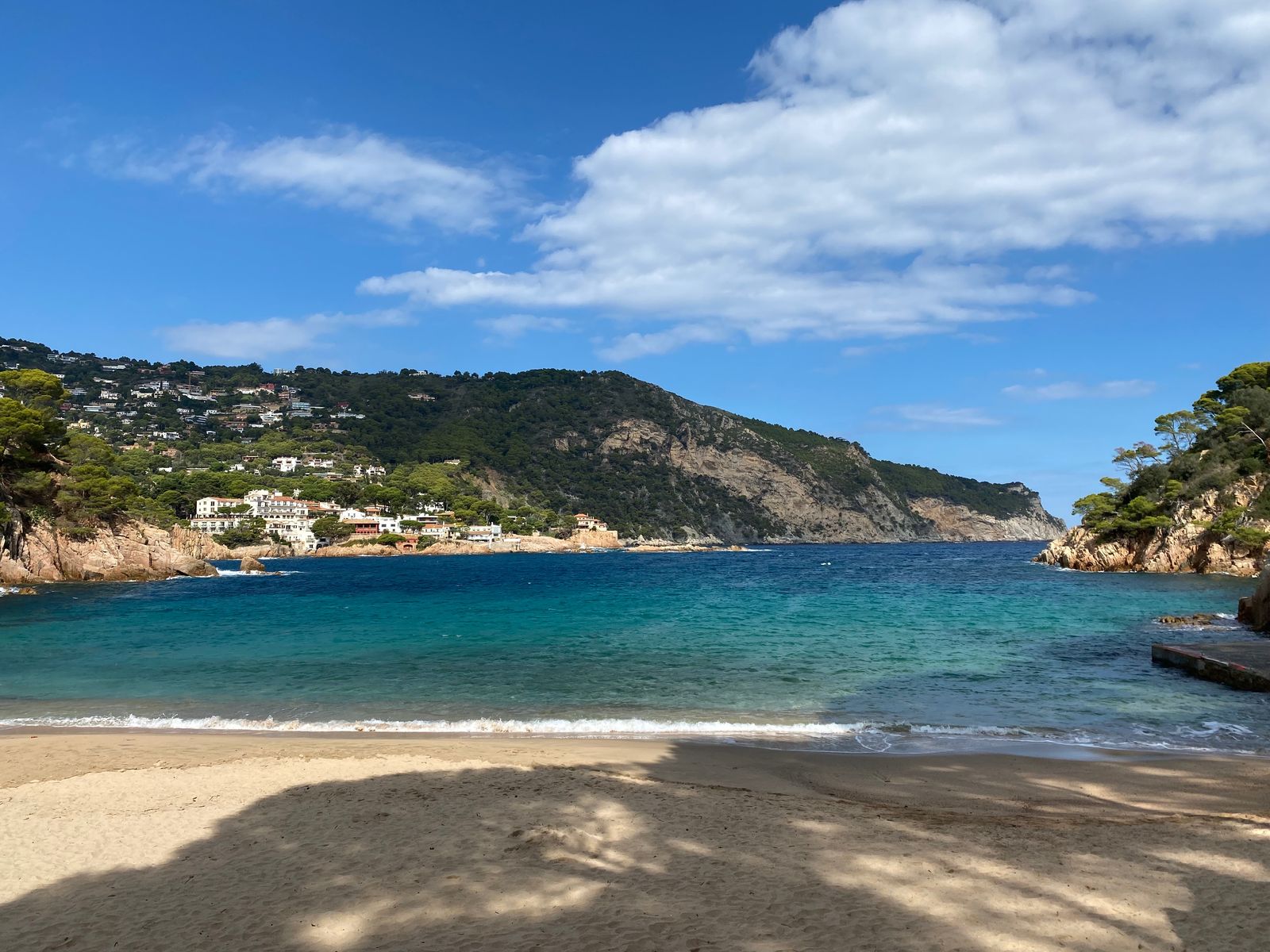
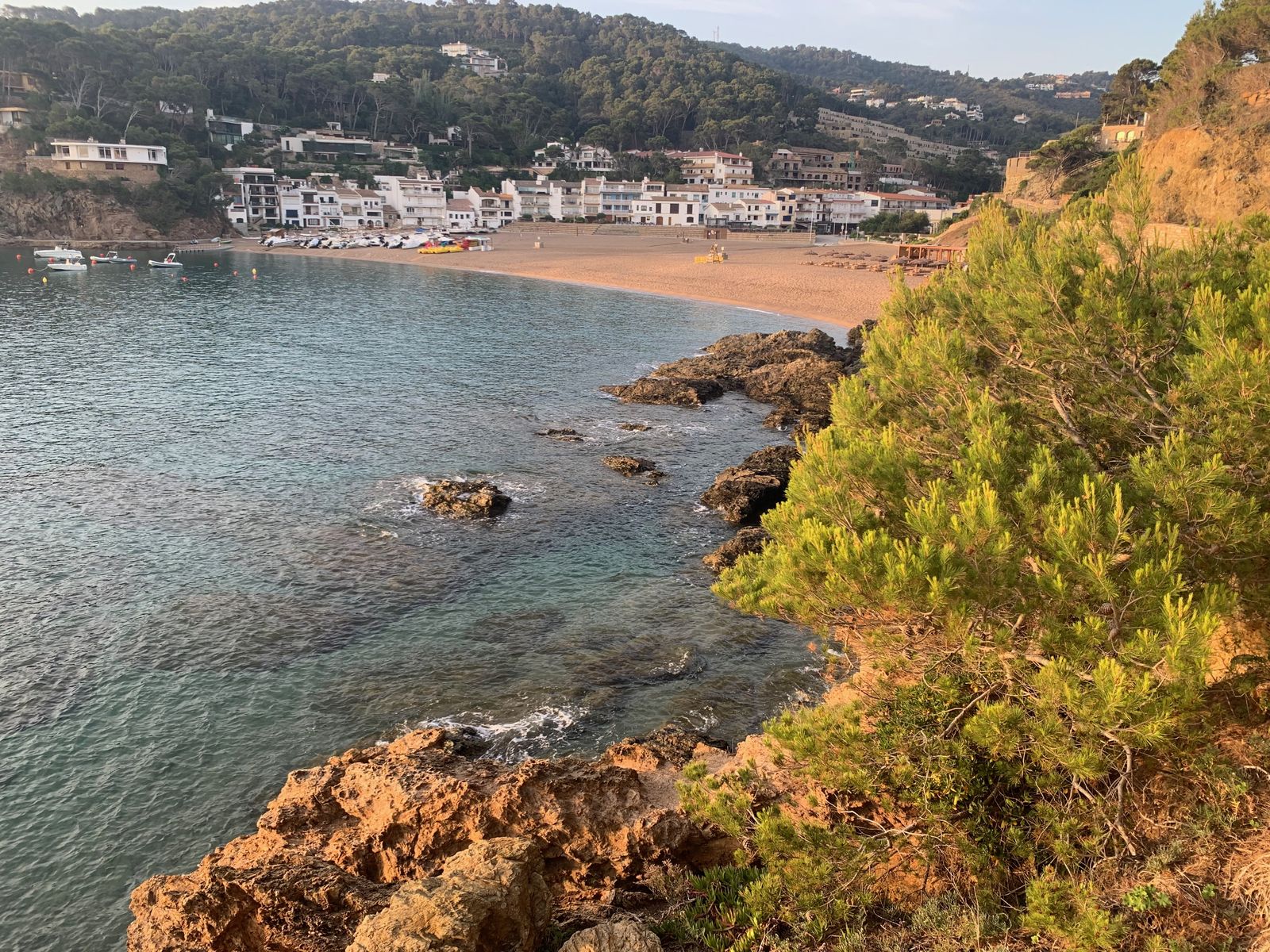
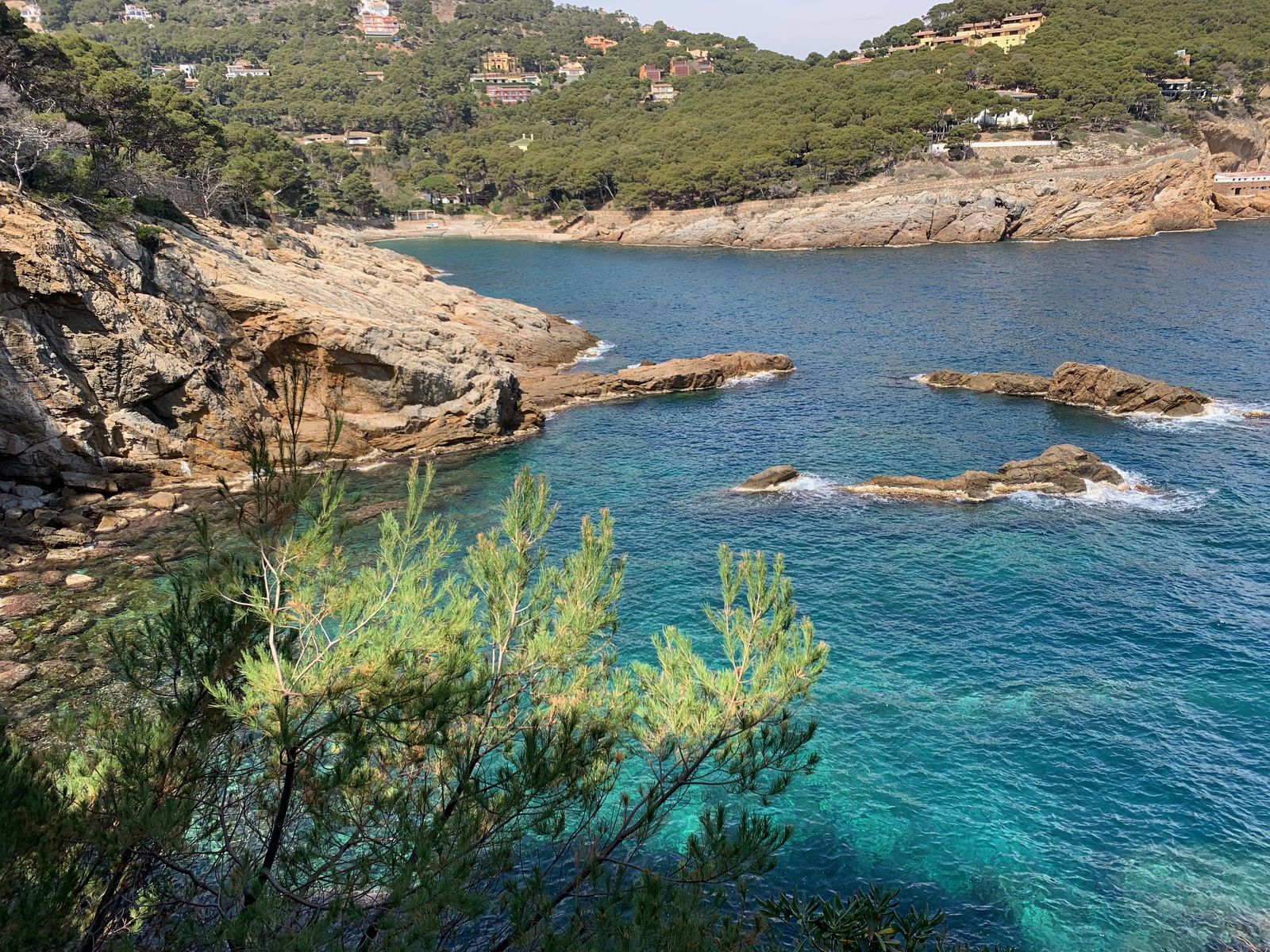
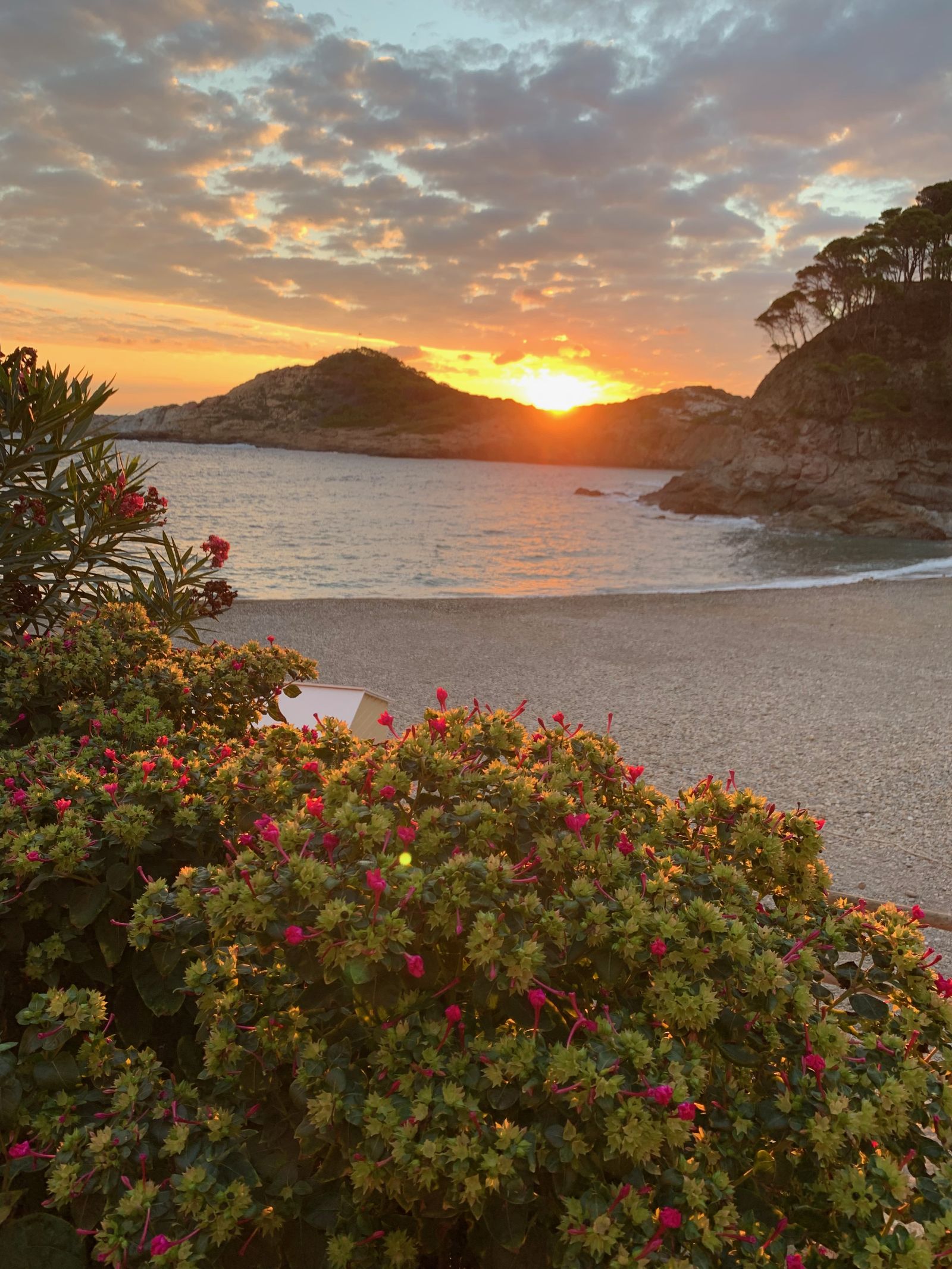
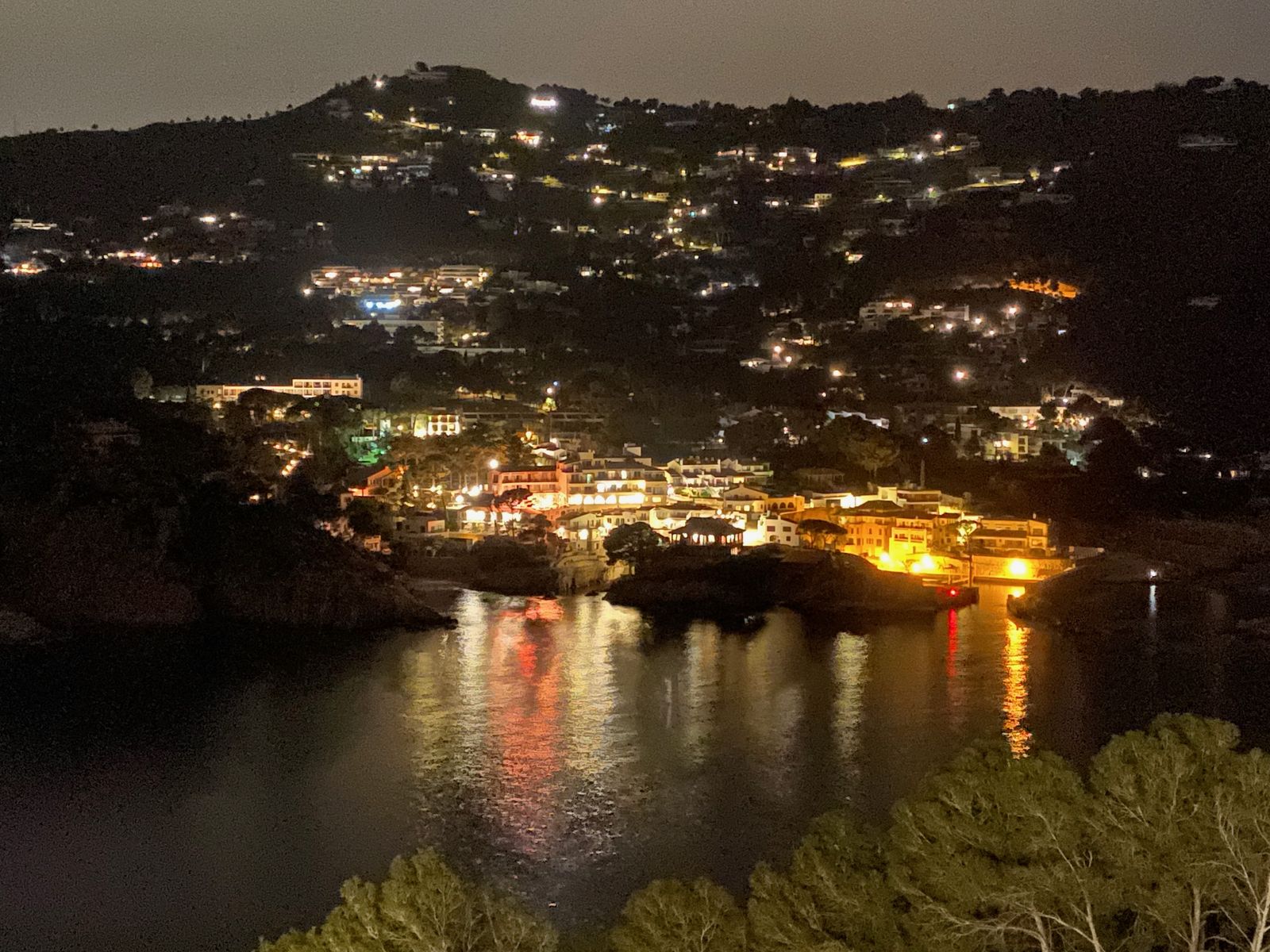
Sa Tuna and Aiguablava (Begur)
Two of the Costa Brava's most beautiful coves, turquoise water and former fishing villages. Leave early, the car parks fill fast.
L'Escala
Beaches, anchovies, and the Greco-Roman ruins of Empúries right by the water.


Girona (1 h)
The old town
One of the best-preserved medieval cities in Catalonia: ramparts you can walk, narrow streets, colored houses along the Onyar. A full day fits easily inside the historic center.
The cathedral
Reached by a staircase of 96 steps, famous since it served as a Game of Thrones location. Inside, the widest Gothic nave in the world.
The Call
The 13th-century Jewish quarter, one of the best preserved in the world: a maze of lanes, stairways and courtyards.
Eating Spanish
Jamón
Serrano for everyday, ibérico de bellota for the good days: free-range pigs fed on acorns, cured for two to three years. The price difference is real, and so is the difference in taste.
Pan con tomate
The recipe fits in one line: stale bread, a clove of garlic rubbed over it, half a tomato crushed into the crumb, a drizzle of olive oil, pepper. That is all. And it is better with yesterday's bread than with fresh, which is convenient.
Olive oil
Considerably cheaper than in France, but it is not the same product: different varieties (Andalusian picual dominates), different volumes, different methods. Read the label, "aceite de oliva" is not "virgen extra". For comparison, the mill is across the street from the villa.
La Jonquera and Le Perthus
La Jonquera
The compulsory stop for the lorry drivers of the AP-7, and unapologetic border trade: coaches pull in for five-litre bottles of whisky and cigarettes at half price. But it is also where you find everything the French side lacks for cooking Spanish: the spices, the tinned goods, the charcuterie, the paella rice. On that count, it really is worth the trip.
La Maison del Jamón (La Jonquera)
The address to remember once you are there: a delicatessen on the Carretera Nacional II selling Iberian charcuterie straight from the producer, from entry-level serrano to bellota, plus wines and olive oil.
Le Perthus
That strange village cut in two by the border, French on one pavement and Spanish on the other, permanently packed. It is also where the D71 starts, the small road that climbs into the Albères up to the Col de l'Ouillat and its refuge.
Book your stay
Book directly online: real-time availability, secure payment, calendar synced across all platforms. On-site welcome is handled by Sud Séjour, our local concierge service, reachable for any question.